
2026 Emissions St...
Oct 03, 2026

Auto parts prices 2026 are becoming one of the biggest concerns for car owners, workshops, and parts distributors as global costs continue to shift across shipping, metals, rubber, and electronics.
In March 2026, the market is no longer moving in one direction. Some car parts and components are becoming more expensive because of rising freight costs, higher aluminum and copper prices, and ongoing supply chain risks. At the same time, other categories are showing more stable pricing as demand softens in parts of the aftermarket.
For anyone maintaining a vehicle this year, timing matters. Knowing which parts are likely to rise further and which may remain competitive can help reduce repair costs and avoid unexpected price increases. This global parts market watch focuses only on car parts and components, highlighting what is getting cheaper, what is rising, and why car owners may want to buy certain items sooner rather than later.
The global automotive parts market is being shaped by three major forces: logistics, raw material costs, and changing demand.

Shipping costs have started rising again as global container rates edge upward and new surcharges appear on some major trade routes. This matters for imported aftermarket car parts, especially components sourced internationally and shipped in containers. Even when a part is still available, the final landed cost can increase because freight has become more expensive.
Raw materials are another major driver. Aluminum prices remain elevated, and copper continues to trade at strong levels. That directly affects parts such as radiators, condensers, wiring harnesses, alternators, starter motors, brackets, suspension arms, connectors, and electronic modules. Rubber is also staying firm, which has implications for tires, belts, hoses, bushings, and seals.
Demand is the third major factor. Some aftermarket suppliers have reported weaker demand in certain regions, particularly for general service parts and routine maintenance categories. That softer demand is helping keep pricing more competitive in selected product lines, even while materials and freight remain volatile.
Not every category is rising at the same speed, but several key components are under clear upward pressure in March 2026.
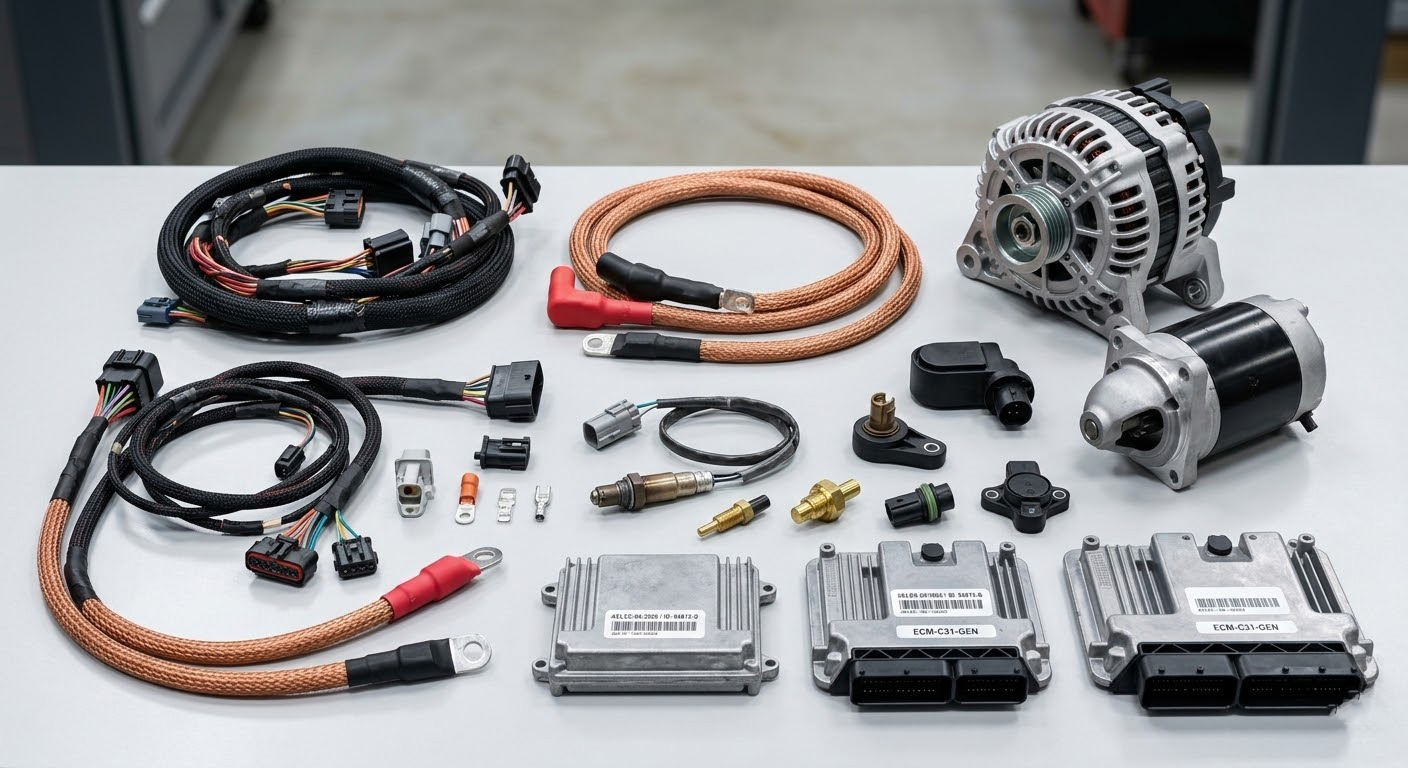
Copper-heavy components are among the most exposed. As copper prices stay high, parts such as wire harnesses, battery cables, alternators, starter motors, connectors, and some sensors are facing ongoing cost pressure.
Modern vehicles rely heavily on electronics, so even small increases in copper and semiconductor-related costs can affect the final price of replacement components. For car owners, this means electrical problems should not be ignored for too long. If a vehicle is already showing starting issues, charging faults, or wiring deterioration, replacement costs may be higher later in the year.
Aluminum prices remain elevated, and that keeps pressure on many lightweight automotive parts. Radiators, AC condensers, heat exchangers, brackets, housings, alloy wheels, and some suspension and engine-related components all fall into this category.
Because aluminum is used widely across both conventional and newer vehicle platforms, rising costs in this material tend to affect a broad range of parts. Owners planning cooling system work may want to avoid delaying repairs if the required components are already known.
Rubber prices are also staying firm, supported by global supply and demand conditions. This affects more than just tires. It also impacts belts, hoses, seals, mounts, bushings, weatherstrips, and other common wear items.
For workshops and car owners, the message is clear: rubber-based parts are not likely to become deeply discounted in the near term. If a tire set, belt service, or cooling hose replacement is due soon, it may be smarter to purchase early rather than wait for better pricing that may not arrive.
Although the semiconductor shortage seen in earlier years has eased, automotive electronics are still not in a fully relaxed pricing environment. Modern vehicles require more advanced modules, sensors, and control units, especially in safety, emissions, ignition, and power management systems.
These parts are not necessarily spiking across the board, but they remain vulnerable to supply tightness, technology shifts, and higher component costs. Specialized electronics are still more likely to remain firm in price than simple mechanical service parts.
While several categories are rising, others are benefiting from softer aftermarket demand and stronger stock availability.
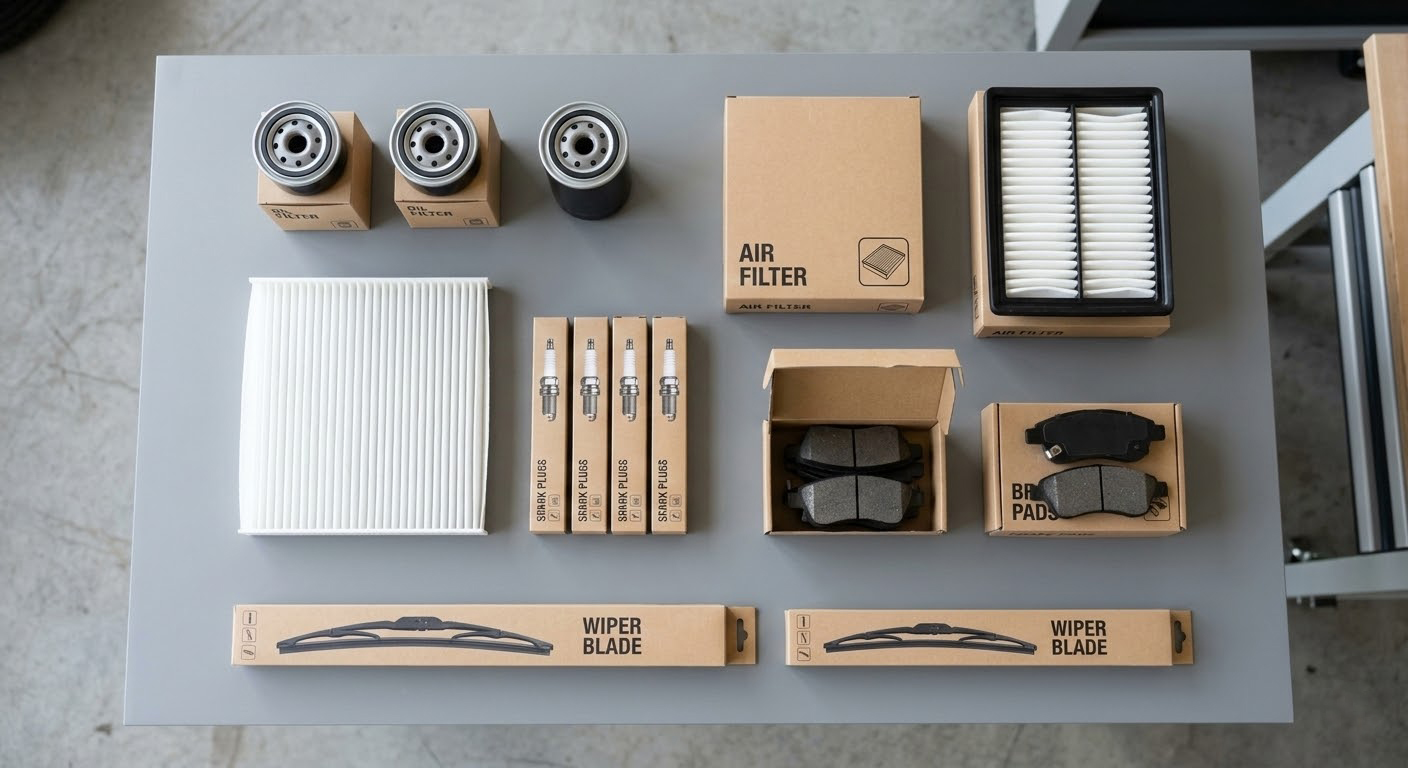
Basic service items such as oil filters, air filters, cabin filters, spark plugs, and some wiper components may remain relatively competitive. These parts are often sold in highly competitive channels and usually have multiple brand alternatives, which helps limit major price jumps.
For car owners, this is one area where there may still be room to compare brands, shop around, and benefit from promotions without rushing unnecessarily.
Some everyday brake components, particularly common aftermarket pads and standard service kits, may not rise as sharply as metal-intensive or electronics-heavy categories. Competition in the aftermarket remains strong, and these parts are widely stocked across different suppliers.
That said, brake hardware and specific metal-heavy items may still see upward pressure depending on sourcing and tariff exposure.
Routine replacement parts with broad availability often experience less volatility than specialized modules or imported assemblies. As long as demand remains moderate and supply remains steady, this category is more likely to stay manageable for consumers.
One of the most practical questions in today’s market is not just what is rising, but what should be purchased sooner.
Car owners should consider buying sooner if they already know they will need tires, belts, hoses, bushings, rubber mounts, radiators, condensers, alternators, starter motors, wiring harnesses, battery cables, sensors, electronic modules, or aluminum-heavy cooling and structural parts.
These categories face pressure from materials, logistics, or supply complexity. Waiting may expose buyers to further increases, especially if the repair becomes urgent and the part must be sourced quickly.
If the part is not urgently needed and the vehicle remains in safe working condition, owners may have a little more flexibility on filters, spark plugs, wiper parts, some brake pads, standard maintenance kits, and basic service components with multiple aftermarket options.
These categories are more likely to remain competitive because stock is deeper and supplier competition is stronger.
A key takeaway from March 2026 is that the car parts market is no longer behaving like one unified market. Instead, it is made up of several smaller pricing stories.
A rubber-heavy part follows a different pricing path than a copper-heavy part. An imported aluminum component faces different cost pressure than a locally stocked maintenance item. A basic filter may remain stable, while a control module or electrical assembly may rise unexpectedly.
This split market means car owners need a more selective buying strategy. General assumptions such as “everything will get cheaper later” or “all parts are rising together” no longer hold true. The better approach is to look at the type of component, the material it depends on, and whether the part is affected by shipping risk or supply complexity.
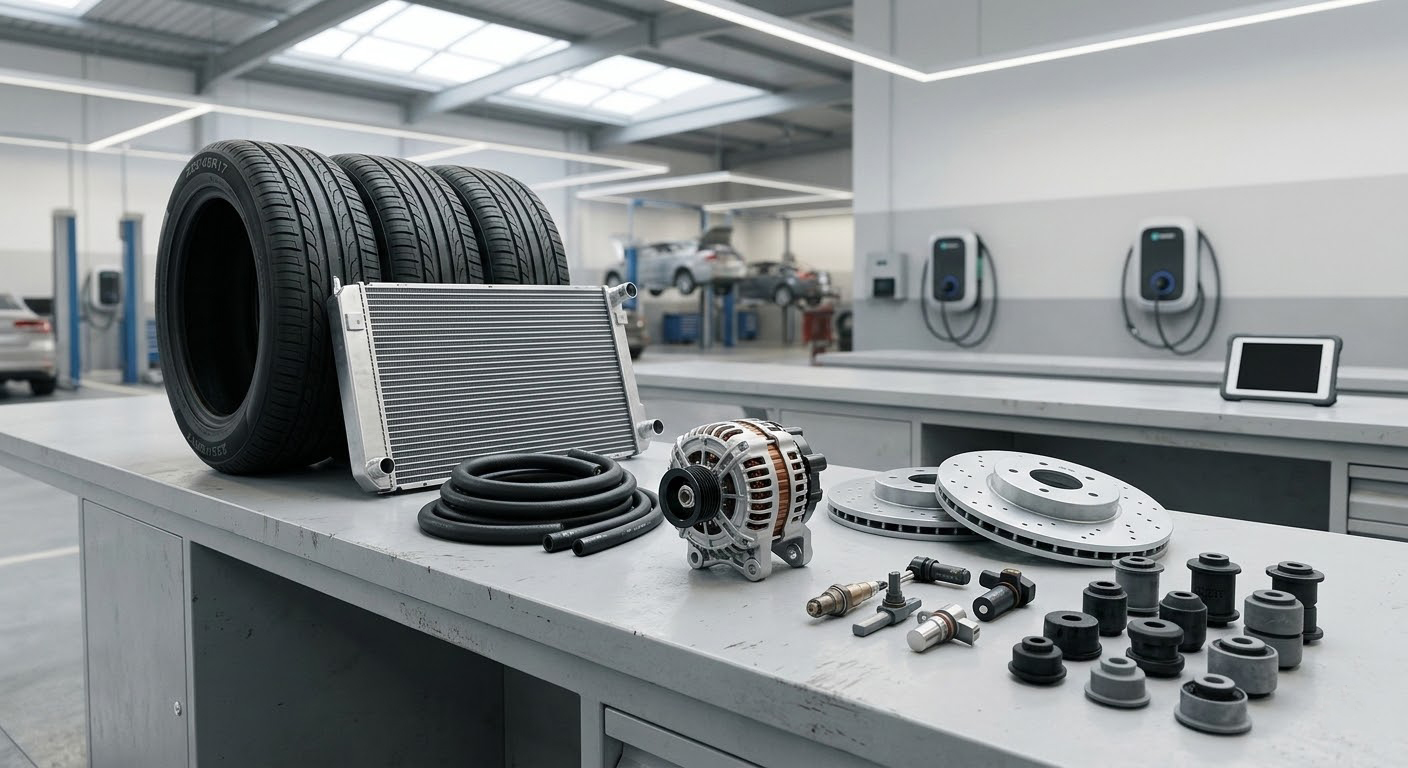
Auto parts prices 2026 are being shaped by a mix of global shipping movements, raw material inflation, tariff-related costs, and uneven aftermarket demand.
In March 2026, the biggest upward pressure is appearing in electrical components, aluminum-based parts, rubber products, and some electronics. Meanwhile, routine service parts and selected maintenance categories are showing more stable conditions.
For car owners, the smartest move is to act early on parts that are already showing wear and are tied to volatile materials. Tires, cooling parts, alternators, sensors, and rubber components are all worth watching closely. On the other hand, everyday maintenance parts may still offer time to compare pricing and buy more strategically.
In a market like this, the question is no longer just what your car needs. It is also when to buy it. And in 2026, that timing can make a real difference to the final repair bill.
Auto parts prices are rising because of higher shipping costs, elevated copper and aluminum prices, firm rubber markets, and ongoing supply chain disruptions.
Electrical components, alternators, starter motors, radiators, condensers, tires, belts, hoses, and electronic modules are among the parts facing the most upward pressure.
Yes. Routine maintenance parts such as filters, spark plugs, some brake pads, and common service items may remain more competitive due to stronger stock levels and softer aftermarket demand.
If the part is tied to rubber, aluminum, copper, or electronics and replacement is already expected, buying sooner may help avoid higher costs later. Routine service parts may allow more time for price comparison.
John Auto Spare Parts (SHARJAH)
📍 King Faisal St., Industrial Area 1, Al Nahdha Sharjah, UAE
📞 Call or WhatsApp us at +971 6 532 6340
John Auto Spare Parts (DUBAI)
📍Warehouse 7 Street 3 - Al Qouz Ind.third - Al Quoz - Dubai, UAE
📞 Call or WhatsApp us at +971 4 236 0759
Prefer shopping online?
🛒 Visit our webshop at www.jasp.ae for fast browsing and secure checkout.

Oct 03, 2026

Sep 26, 2026

Sep 19, 2026
Sign up for our newsletter to receive exclusive offers.